I have rented cars in a lot of places. Nothing comes close to how it works in Korea. Here is exactly what happens, because the first time I did it I could hardly believe it myself.
The car is waiting at the curb
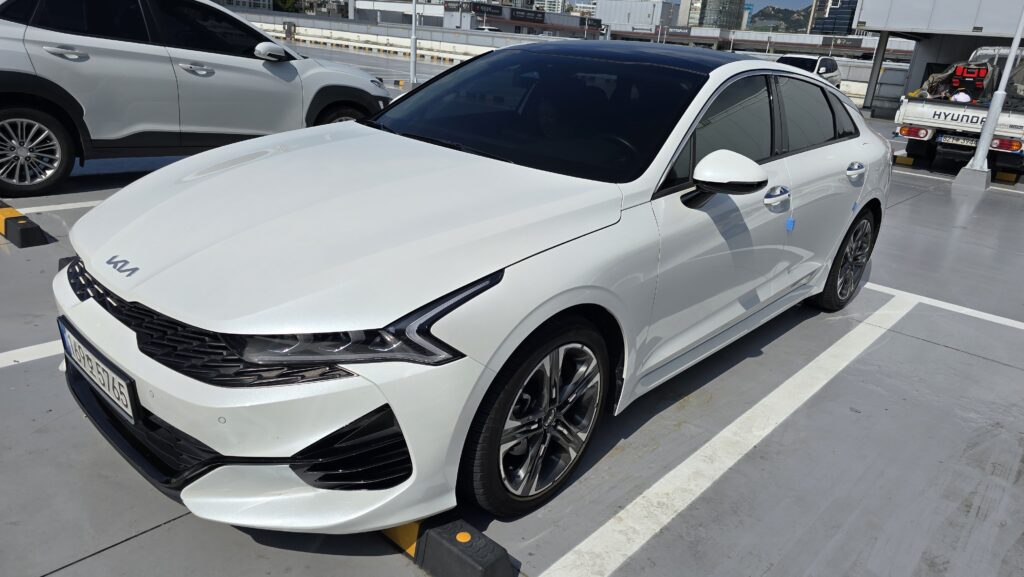
I book the car before I leave the US. The rental company sends me a KakaoTalk link, and that is the whole reservation. When my flight lands at Incheon, I walk out of the terminal and the agent is standing at the curb with the car. He takes a photo of my International Driving Permit and my credit card, hands me the key, and I drive away. Total time at the curb: about 30 seconds. No counter, no line, no shuttle bus to a lot somewhere, no 20-minute upsell on insurance.
The highway pass that refunds itself
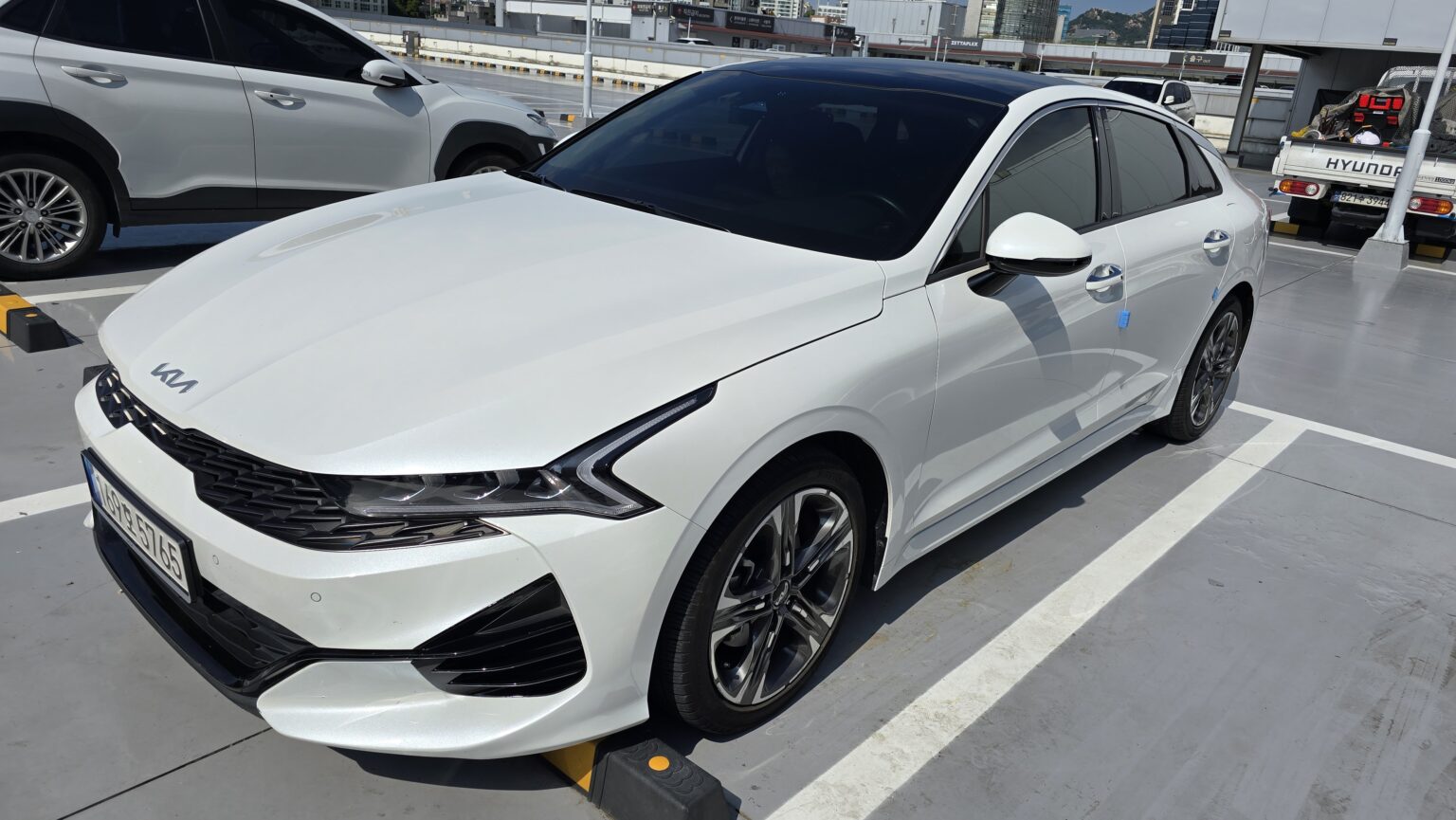
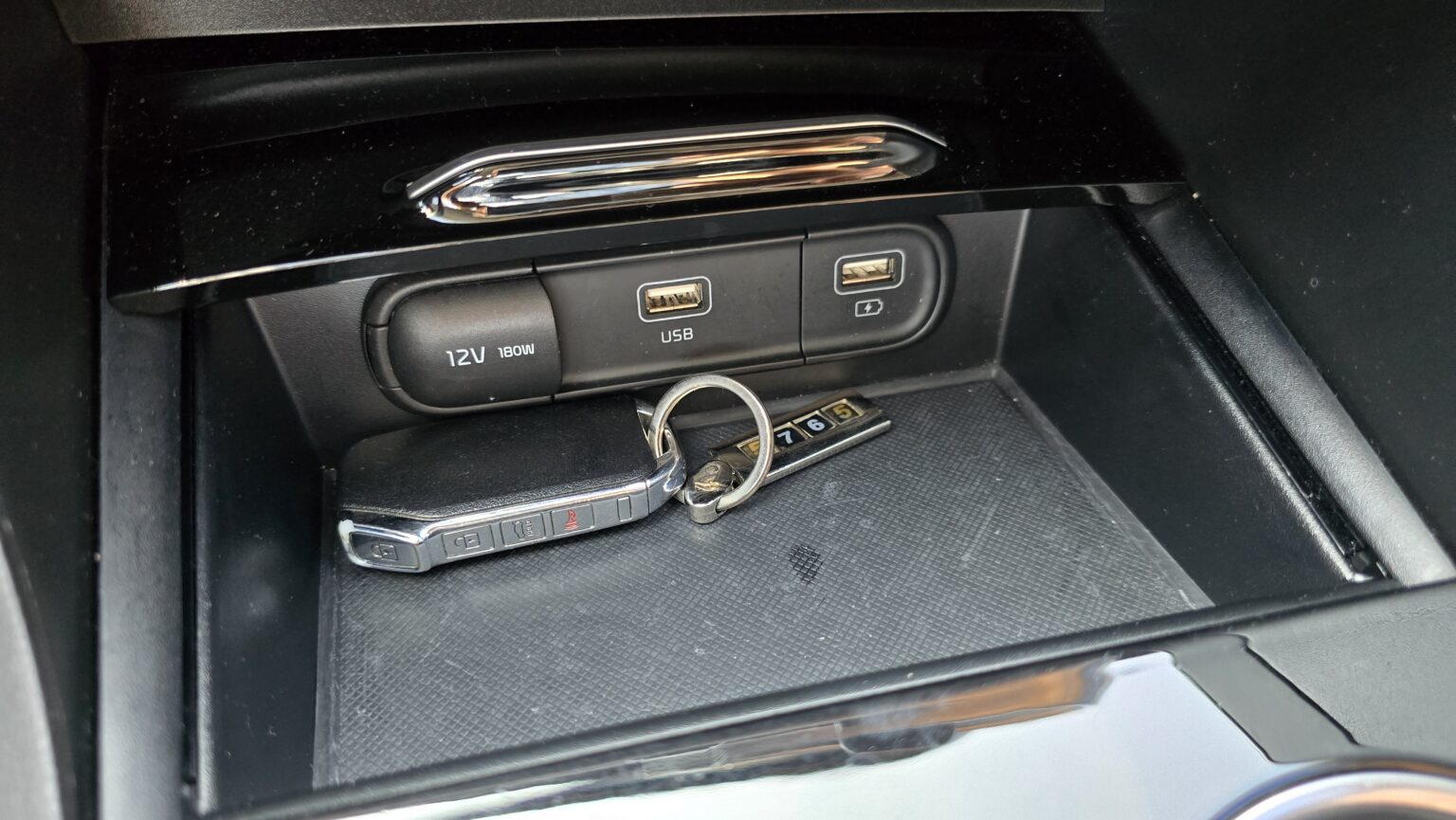
The car comes with a Hi-Pass transponder for the toll roads. The agent puts about $100 on my card for it. Here is the part I love: that $100 is not a fee. When I return the car, they add up the tolls I actually drove through, charge me for those, and credit the rest back to my card. Drive ₩30,000 worth of highway and you pay ₩30,000. Compare that with the fixed daily “toll package” the big US rental companies sell you whether you touch a highway or not.
Returning the car at a train station — unlocked
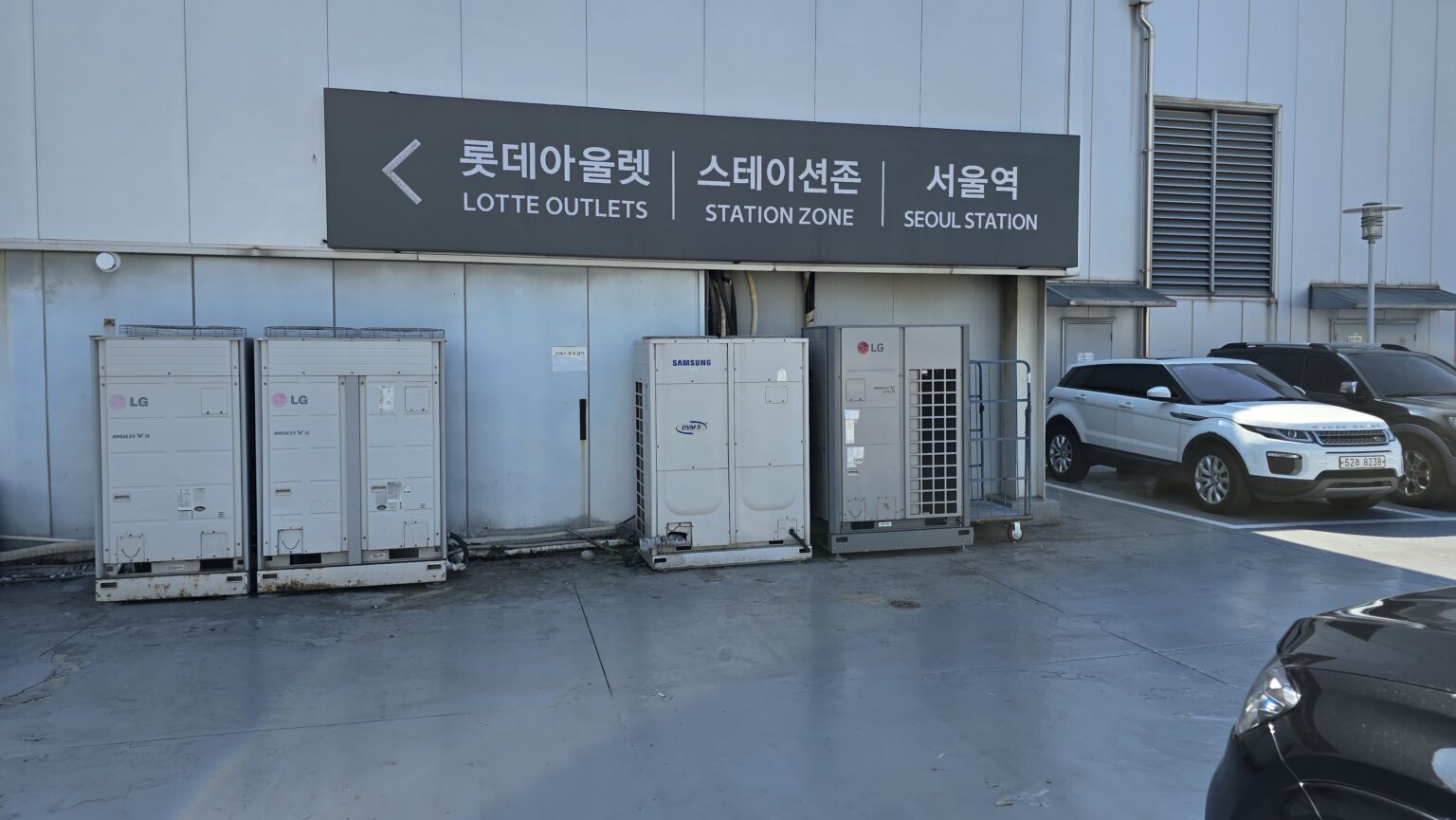
On one trip I wanted to take the KTX bullet train from Seoul down to Busan. I called the rental company and asked what to do with the car. The answer: park it in a public lot near Seoul Station, leave the door unlocked and the key inside, and send them a message. They would come pick it up.
I did exactly that. In Seoul. With the key on the seat. And it was completely fine, because that is Korea: it is one of the safest countries on earth, and nobody thinks twice about it. The charge for this one-way return to Seoul was ₩50,000 — about $35.
I keep telling people: Korea is not living in 2026, it is living in 3026. Renting a car there is the proof.
What you need
- An International Driving Permit from AAA (about $20, takes 15 minutes at a AAA office) plus your US license. Get it before you fly; you cannot get one in Korea.
- A credit card in your name.
- Naver Map or Kakao Navi on your phone for directions — Google Maps does not navigate in Korea.
- Nerves for Seoul traffic. Outside the city, Korean highways are superb and well signed in English.
Want the rental company’s contact?
I don’t post it publicly because the owner is a small operator and I don’t want to flood him with strangers. If you want the KakaoTalk contact, leave a comment in the Korea Q&A board on the forum (free account, takes a minute) and I will email the contact details to you personally. I’ll also answer any question you have about driving in Korea there.
Leave a Reply